



Identifying the Most Vulnerable Areas of Your Chevy’s Undercarriage to Winter Salt Damage
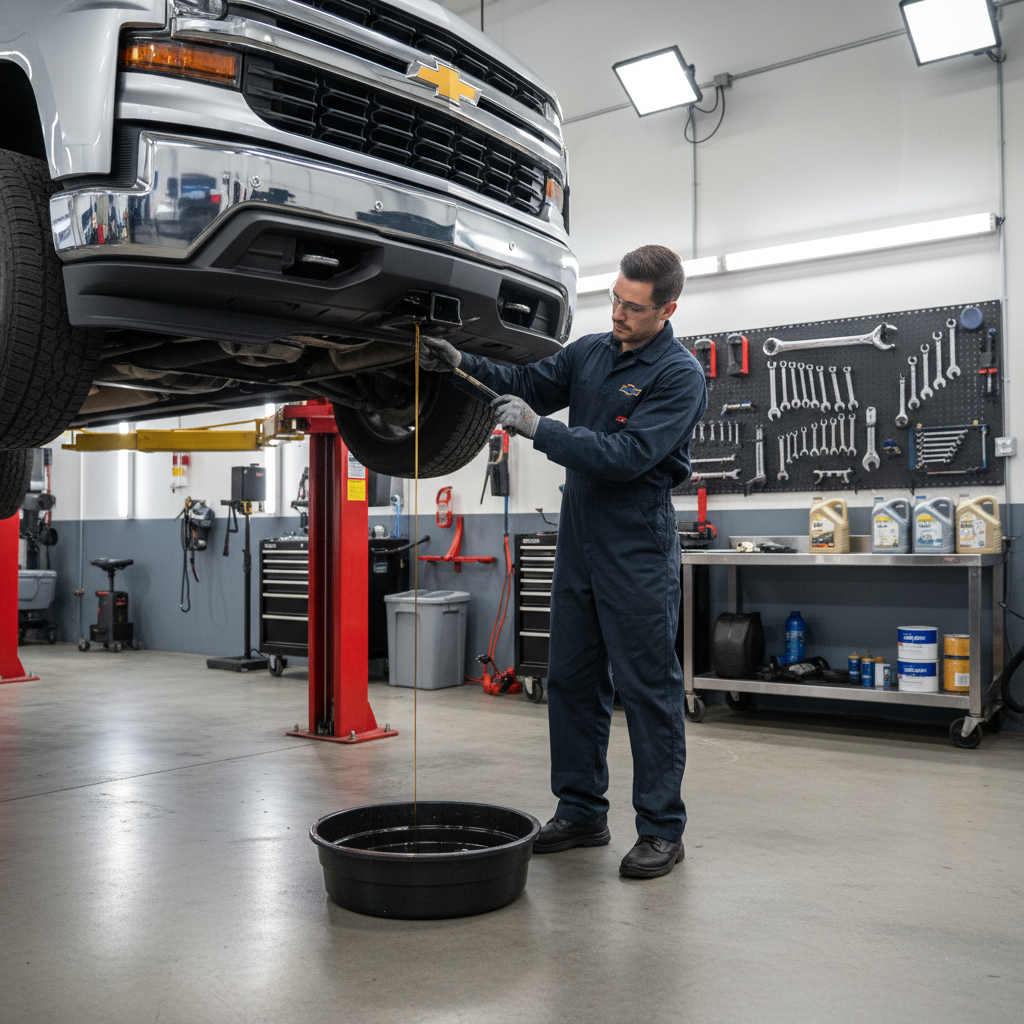
Winter road salt presents one of the most persistent threats to the longevity and performance of your Chevy’s undercarriage. Especially in areas like Hamburg and surrounding communities, where road maintenance crews rely heavily on salt and brine to keep roads clear, the corrosive effects can accelerate wear and rust if not properly managed. Understanding which components of your Chevy’s undercarriage are most susceptible to salt damage is crucial for targeted maintenance and effective protection strategies.
The undercarriage of a Chevy, including models like the Silverado commonly seen on rural roads around Schuylkill Haven, encompasses a complex assembly of metal and composite parts exposed to harsh winter conditions. Among these, the frame rails and chassis are primary targets for salt-induced corrosion. These structural elements bear the weight and stress of the vehicle and are often coated with protective finishes, but prolonged exposure to salt can breach these barriers. Rust formation here can compromise vehicle integrity, leading to costly repairs and safety concerns.
Another vulnerable area lies in the brake system components, including calipers, rotors, and brake lines. Salt and moisture accelerate oxidation of these parts, potentially leading to decreased braking efficiency and increased wear. Drivers in Lebanon, PA, often notice the effects of winter salt on their braking systems, which underscores the importance of regular inspections and timely replacement of brake pads and rotors to maintain optimal safety. Regular maintenance at certified service centers, such as Outten Chevrolet of Hamburg, ensures the use of OEM brake parts designed to withstand these conditions.
Suspension components like control arms, springs, and shock absorbers also suffer from salt exposure. These parts endure constant stress and movement, and salt corrosion can lead to premature weakening or failure. For Chevy owners in Bally, where rural road dust and salt accumulation combine, protecting suspension components is essential for preserving ride quality and vehicle handling. Routine undercarriage cleaning and application of rust inhibitors can extend suspension life significantly.
Fuel and brake lines, often made from steel or other metal alloys, run beneath the vehicle and are prone to salt corrosion, which can cause leaks or ruptures. Drivers who frequently travel on salted roads should prioritize inspections of these lines during seasonal maintenance to identify early signs of rust or damage. Prompt replacement or repair prevents hazardous leaks and maintains vehicle safety.
Additionally, exhaust system components, including pipes and mufflers, face ongoing exposure to corrosive elements. Salt accelerates rust through the thin metal, sometimes resulting in holes or breaks that affect emissions and noise. Routine service checks and addressing any rust spots early help prolong exhaust system life. Using quality replacement parts from the Outten Chevrolet Parts Department ensures compatibility and durability under harsh winter conditions.
Undercarriage wiring harnesses and connectors, often overlooked, are also at risk. Saltwater intrusion can cause electrical shorts or corrosion of connectors, leading to intermittent electrical issues or failure of critical vehicle systems. Applying protective sprays and inspecting harnesses during winter service appointments improves reliability.
For Chevy owners committed to protecting their vehicles, understanding these vulnerable areas guides maintenance priorities. Regular undercarriage rinsing is vital, but combining this with professional inspections at trusted facilities like Outten Chevrolet of Hamburg allows for early detection of corrosion and preventive care. Scheduling service appointments for undercarriage washes and rust inspections can be done conveniently online, supporting ongoing care.
Lastly, it’s worth noting that modern Chevy models benefit from advanced factory rust-proofing treatments, but additional aftermarket protection remains valuable, especially in regions with heavy salt use. Whether maintaining an older Silverado or a newer model, focused attention on the undercarriage prevents costly repairs and extends vehicle lifespan.
Owners interested in comprehensive undercarriage care can also take advantage of services such as professional rust-proofing coatings and OEM part replacements available locally. For those who prefer to minimize dealership visits, options to buy a new or used Chevy online from home provide convenience without compromising service quality or access to expert maintenance advice.
If you need assistance or have questions about protecting your Chevy’s undercarriage from winter salt damage, contact the service experts at Outten Chevrolet of Hamburg by calling (610) 674-0598 or visit us in person at 1080 S Fourth St, Hamburg, PA 19526 for expert service and maintenance support.
Table of Contents
- The Science Behind Chemical Salt Neutralizers and Their Advantages Over Water Rinses
- Comparing Rust Prevention Treatments: Fluid Film Versus POR-15 for Chevy Vehicles
- Choosing the Optimal Undercarriage Coating for Your Chevy Silverado in Salty Environments
- Professional Rust-Proofing Services Near Hamburg: What to Expect and Why They Matter
- Routine Maintenance Tips: How Often to Rinse Your Chevy’s Undercarriage During Winter
The Science Behind Chemical Salt Neutralizers and Their Advantages Over Water Rinses
Winter road salt is a key contributor to corrosion on your Chevy’s undercarriage, especially in regions like Hamburg and Reading, PA, where salt application is common for icy roads. While rinsing with water is a basic step to remove salt residue, it often falls short of fully preventing corrosion. Chemical salt neutralizers offer a scientifically advanced solution that significantly enhances protection by chemically breaking down salt and providing ongoing defense against rust.
The primary limitation of water rinses is that they only wash away loose salt particles but cannot neutralize salts that have already bonded or embedded into metal surfaces. Road salts, primarily composed of sodium chloride and calcium chloride, are hygroscopic, meaning they attract moisture even after rinsing. This retained moisture accelerates electrochemical reactions that cause rust, particularly on vulnerable steel components of your Chevy’s undercarriage. Water alone cannot interrupt these reactions or remove salt molecules at a microscopic level.
Chemical salt neutralizers employ specific chelating agents designed to target and disrupt salt molecules chemically. These agents bind to salt ions, effectively breaking them down and encapsulating them, which makes it easier to remove the corrosive elements completely during washing. Unlike simple water rinses, these neutralizers reduce the salt’s ability to hold moisture on the metal surface, cutting off the moisture cycle that drives corrosion.
Furthermore, many modern salt neutralizing products incorporate mild alkaline detergents. These components dissolve grime, oil, and other contaminants that acids or water alone cannot remove. This dual-action—salt breakdown plus cleaning—ensures the undercarriage is not just rinsed but thoroughly cleansed, reducing the risk of rust formation in hard-to-reach crevices and textured surfaces.
Another significant advantage is the residual protective layer that some chemical neutralizers leave behind after drying. This invisible film inhibits oxidation by blocking oxygen and moisture from contacting the metal surface, providing ongoing protection between washes. This feature is especially valuable in areas like Schuylkill Haven, PA, where trucks and SUVs frequently encounter salty roads throughout the winter season.
For Chevy owners, this means your Silverado’s frame, brake lines, exhaust components, fuel lines, and suspension parts—all prone to corrosion—receive a scientifically proven shield that water rinses alone cannot provide. Regular application of a salt neutralizer can extend the life of these components, reduce the frequency of costly repairs, and maintain vehicle safety and reliability.
When servicing your vehicle at Outten Chevrolet of Hamburg, our certified technicians recommend incorporating chemical salt neutralizing treatments into your winter maintenance routine. Genuine OEM parts and components from our Parts Department ensure compatibility and longevity with these treatments, further enhancing protection. We encourage scheduling a service appointment to assess your undercarriage condition and apply these advanced treatments professionally for optimal results.
In summary, chemical salt neutralizers represent a critical step beyond rinsing with water by chemically dismantling corrosive salt compounds, cleaning debris, and providing a lasting protective barrier. This science-backed approach is essential for maintaining the structural integrity and appearance of your Chevy throughout harsh winter conditions.
Comparing Rust Prevention Treatments: Fluid Film Versus POR-15 for Chevy Vehicles
When it comes to safeguarding your Chevy’s undercarriage against winter salt damage, selecting the right rust prevention treatment is crucial for long-term durability and maintenance ease. Two widely used options in automotive service are Fluid Film and POR-15, each offering distinct protective properties and application methods tailored to different maintenance needs.
Fluid Film is a lanolin-based rust and corrosion inhibitor prized for its excellent penetration and moisture displacement qualities. Unlike traditional oil-based coatings, Fluid Film is non-drying and adheres well to metal surfaces, providing a flexible, long-lasting barrier against salt, water, and road debris. This makes it particularly effective for areas of a Chevy’s undercarriage that experience frequent exposure to moisture and salt spray, such as wheel wells, frame rails, and suspension components. Its viscous formula allows it to seep into seams and crevices, preventing rust from forming beneath protective layers. Additionally, Fluid Film’s non-toxic and non-flammable composition facilitates safer handling during professional service appointments.
On the other hand, POR-15 is a high-performance epoxy-based coating used primarily as a rust encapsulator and hard protective finish. After proper surface preparation, including thorough cleaning and removal of existing rust, POR-15 chemically bonds to the metal, creating an impermeable shell that resists abrasion, chemical exposure, and moisture infiltration. This coating is ideal for Chevy vehicle owners seeking a more permanent, paint-like finish on heavily rusted or vulnerable undercarriage sections. However, its application requires meticulous surface prep and drying conditions, typically making it a more involved service best handled by trained technicians. Unlike Fluid Film, POR-15 forms a rigid barrier, which may crack if the vehicle’s metal flexes excessively over time.
From a maintenance perspective, Fluid Film excels in routine rust prevention during winter months, as it can be reapplied periodically without extensive removal processes. It acts as a sacrificial layer that slows corrosion while remaining pliable enough to accommodate metal movement. POR-15 offers a robust, long-term solution for Chevy owners needing to halt active rust and restore structural integrity, but it is less forgiving for routine touch-ups or partial applications.
For Chevy drivers in regions like Schuylkill Haven or Reading, PA, where winter road salt use is prevalent, combining these treatments can sometimes be advantageous. Fluid Film can serve as an ongoing protective treatment, while POR-15 may be reserved for critical areas requiring hard-shell rust encapsulation. When scheduling service at Outten Chevrolet of Hamburg, technicians can recommend the best approach tailored to your vehicle’s condition and usage patterns.
Maintaining the undercarriage with appropriate rust prevention not only extends the life of your Chevy but also preserves its resale value. For owners interested in exploring options, consider browsing our Used Vehicle Specials or New Vehicle Specials, or schedule a maintenance appointment through our Schedule Service page to ensure your Chevy receives expert rust prevention care.
Choosing the Optimal Undercarriage Coating for Your Chevy Silverado in Salty Environments
Protecting the undercarriage of your Chevy Silverado is crucial in regions like Hamburg and nearby areas where winter road salt accelerates corrosion. Selecting the right undercoating can significantly reduce rust formation, prolong the vehicle's lifespan, and maintain its structural integrity. Several undercoating types are available, each offering distinct advantages and suited to specific maintenance needs and environmental conditions.
One of the most common protective coatings is rubberized undercoating. This type forms a flexible, waterproof layer that adheres well to the metal surfaces beneath the truck. Its elasticity helps absorb impacts from road debris and prevents moisture intrusion, which is essential for combating the corrosive effects of salt and slush encountered on rural roads around Bally or Lebanon. Rubberized coatings also reduce road noise, contributing to a quieter ride. However, rubberized coatings may require professional application to ensure thorough coverage, especially in hard-to-reach areas.
Another popular choice is asphalt-based undercoating, which offers robust protection against abrasion and corrosion. It creates a thick, durable barrier that resists chipping and cracking under harsh road conditions. This type is particularly effective for trucks frequently used on gravel or salt-treated roads common in Schuylkill Haven. While asphalt undercoatings provide excellent durability, they tend to be heavier and may add some weight to the vehicle, potentially affecting fuel efficiency slightly.
For Silverado owners seeking long-term rust prevention, wax-based or oil-based undercoatings have gained traction. These coatings penetrate crevices and seams, displacing moisture and creating a corrosion-resistant layer that self-heals minor abrasions. Wax-based products like Fluid Film are renowned for their ability to protect vehicles over multiple seasons without hardening or cracking. This is especially beneficial for drivers in Reading, where variable winter conditions can exacerbate salt corrosion. Regular reapplication, often every 12 to 18 months, is recommended to maintain optimal protection.
Choosing the best undercoating depends on your Silverado's usage patterns and local climate factors. For example, trucks subjected to frequent salt exposure and off-road driving benefit from the toughness of asphalt-based coatings, while those primarily on paved roads may find rubberized or wax-based coatings sufficient and more manageable for maintenance.
Regardless of the undercoating type, professional application ensures even coverage and adherence, critical for effective corrosion prevention. Outten Chevrolet of Hamburg’s service technicians specialize in undercarriage treatments tailored for the demands of salty environments. Scheduling regular inspections and maintenance, including oil changes and undercarriage cleanings, complements protective coatings by removing accumulated salt and grime that accelerate wear.
Proper undercoating selection and maintenance not only defend against winter salt but also preserve your Silverado’s resale value and reliability. For those who prefer convenience, remember you can buy a new or used Chevy online from home while still benefiting from expert service and maintenance guidance to keep your truck protected year-round.
Professional Rust-Proofing Services Near Hamburg: What to Expect and Why They Matter
When it comes to safeguarding your Chevy’s undercarriage against the damaging effects of winter road salt, professional rust-proofing services near Hamburg provide essential expertise and lasting protection. These services involve a thorough inspection of your vehicle’s undercarriage, identifying vulnerable areas such as suspension components, frame rails, brake lines, and fuel tanks, which are most susceptible to corrosion from salt exposure.
A comprehensive rust-proofing treatment typically begins with meticulous cleaning and degreasing to remove accumulated dirt, salt residues, and grime. This preparation ensures that rust inhibitors and protective coatings adhere properly to the metal surfaces. Technicians use specialized equipment such as undercarriage spray wands or foam applicators to evenly coat critical parts with high-quality rust-proofing materials designed for harsh, salty environments. These treatments often include products that penetrate seams and hard-to-reach areas, creating a durable barrier that resists moisture and salt intrusion.
Professional rust-proofing at authorized service centers near Hamburg also involves the use of premium coatings that comply with industry standards for corrosion resistance. These coatings help prevent oxidation and slow down the onset of rust, ultimately extending the lifespan of your Chevy’s structural components. The application process may include multiple layers, combining sealants and undercoatings tailored specifically for Chevrolet vehicles, ensuring optimal compatibility and longevity.
Regular maintenance after rust-proofing is crucial. Scheduling routine inspections and touch-ups through expert service providers helps maintain the integrity of the protective layer, especially after winter months or exposure to salty roads. Outten Chevrolet of Hamburg’s certified technicians are trained to perform these services with OEM-quality parts and materials, reinforcing your vehicle’s defense against corrosion while preserving its performance and safety.
For ongoing care or to protect your Chevy from corrosion damage, consider scheduling a professional rust-proofing treatment at our Schedule Service page. Additionally, explore our Certified Used Cars for reliable vehicles that have undergone thorough inspections and rust protection, ensuring quality and peace of mind. Maintaining your truck’s undercarriage with expert assistance is a smart investment in its durability and resale value.
Routine Maintenance Tips: How Often to Rinse Your Chevy’s Undercarriage During Winter
Regularly rinsing your Chevy’s undercarriage during winter is essential to prevent salt buildup that accelerates corrosion. In areas like Hamburg, PA, where road salt is heavily used, a thorough rinse every two weeks is generally recommended. This interval balances removing salt deposits before they embed deeply while avoiding excessive water exposure.
After snowstorms or salt-heavy road treatments, an immediate rinse helps reduce salt’s corrosive effects. Using a high-pressure spray focusing on wheel wells, suspension components, and frame rails is crucial since these areas trap salt and moisture. Incorporating a chemical salt neutralizer during rinsing enhances protection by breaking down salt crystals more effectively than water alone.
For Chevy owners seeking expert care, scheduling routine undercarriage cleaning and inspections at Outten Chevrolet of Hamburg ensures your vehicle receives professional maintenance using genuine parts and specialized equipment. This proactive approach extends your vehicle’s lifespan and safeguards its value. Learn how to get directions to Outten Chevrolet of Hamburg for service today or call us at (610) 674-0598.