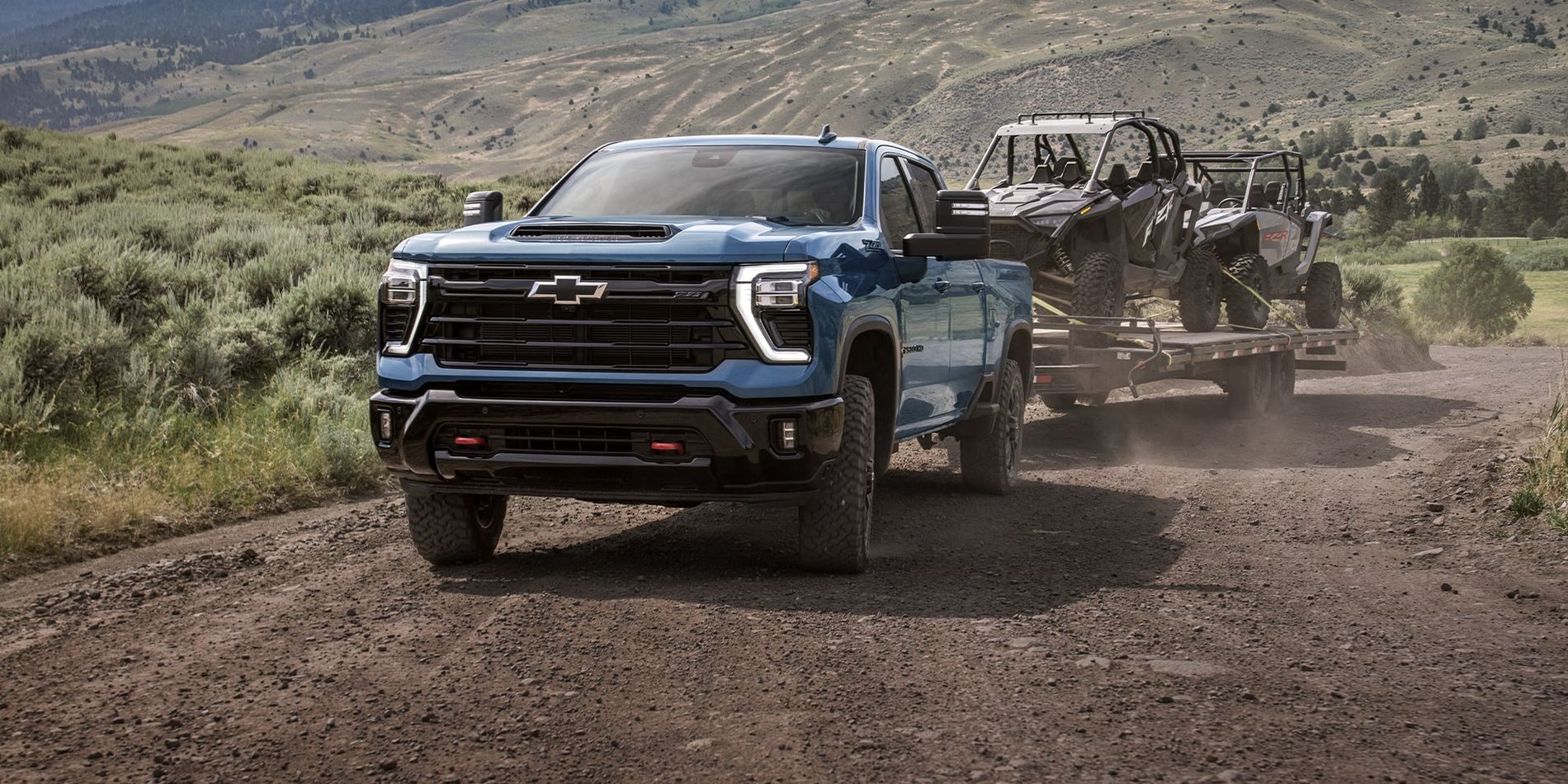





2027 Tahoe engines
Reading and Schuylkill Haven buyers have a regular-gas V8 or a 495-lb-ft Duramax diesel.

2026 model shown.
Key Numbers
- 5.3L V8: 355 hp, 383 lb-ft and regular 87-octane gasoline.
- 3.0L Duramax: 305 hp and 495 lb-ft; available from LT upward.
- EPA 2WD combined: 17 mpg V8 and 24 mpg diesel.
- EPA 4WD combined: 17 mpg V8 and 22 mpg diesel.
- 8,400-lb maximum towing: 5.3L V8, 2WD and Max Trailering Package.
The 5.3L V8 is a strong fit for a Reading family that wants regular-gas power and the Tahoe’s largest advertised tow rating. The Duramax is the choice for longer-mileage households wanting more torque and higher EPA efficiency. It makes 112 lb-ft more torque than the 5.3L, while the gasoline V8 makes 50 more horsepower.
For Schuylkill Haven and Lebanon buyers, the purchase also changes service requirements and trim choices. The 2027 Tahoe trim lineup starts the diesel option at LT. Both engines retain a three-row family SUV and a 10-speed automatic; the fuel and maintenance differences stay with the vehicle after the showroom visit.
The V8 Gives Reading Families Regular-Gas Convenience
The 5.3L EcoTec3 V8 supplies 355 horsepower and 383 lb-ft and is standard on LS, LT, RST, Z71 and Premier. It uses regular 87-octane gasoline. A family combining local errands with weekend drives has that straightforward fuel requirement along with the Tahoe’s passenger and cargo flexibility. LS also offers the front bench for nine seats.
In 2WD, EPA estimates are 15 city, 20 highway and 17 combined mpg. Four-wheel drive changes the highway estimate to 19, with city and combined remaining 15 and 17. A driver selecting 4WD therefore has a separate drivetrain choice without changing the 5.3L’s standard power output or regular-gas requirement.
The Duramax Adds Torque for Longer Trips
The 3.0L turbo-diesel inline-six makes 305 horsepower and 495 lb-ft. It is available on LT, RST, Z71, Premier and High Country. EPA estimates reach 24 combined mpg in 2WD and 22 in 4WD. For a Pottsville household covering frequent longer trips, that efficiency accompanies the diesel’s higher torque rather than requiring a smaller SUV.
The choice also retains available Super Cruise on eligible LT, RST, Premier and High Country models. With the required equipment, compatible road and eligible plan, hands-free assistance is available with diesel power. The driver remains attentive. The Tahoe engine and EPA specifications separate each drivetrain’s rating from the headline range figure.
EPA Mileage and Fuel Type Shape Ownership
| Engine and fuel choice | 5.3L V8 | Duramax |
|---|---|---|
| 2WD combined EPA rating | 17 mpg | 24 mpg |
| Fuel type | Regular gasoline | Diesel |
| 4WD combined EPA rating | 17 mpg | 22 mpg |
| Engine oil specification | dexos1 0W-20 | dexosD 0W-20 |
The Duramax has a seven-mpg advantage in the 2WD combined EPA ratings and a five-mpg advantage in 4WD. Fuel costs also depend on the pump price of each fuel and actual mileage. Its higher efficiency accompanies a separate engine choice, with diesel filtration and oil requirements as part of ownership.
Longer drives around Reading and toward PA Route 183 give the diesel’s highway rating more relevance than a routine made entirely of short trips. Regular trips of four miles or less also appear in Chevrolet’s severe-service description. The commute pattern therefore matters to both fuel use and maintenance, rather than only to the number on the EPA label.
Maximum Towing Is a Specific V8 Setup
The Tahoe’s 8,400-lb maximum belongs to the 5.3L V8 with 2WD and the Max Trailering Package. It is not assigned automatically to the diesel because the diesel has more torque. A properly equipped gas Tahoe is therefore a direct choice for a household seeking that particular maximum rating, while the Duramax offers its own combination of torque and fuel efficiency.
People, luggage and trailer tongue weight all use carrying capacity. A Bally family filling the seating rows and taking a trailer has a different load from a lightly occupied tow vehicle. The actual Tahoe’s load and trailering labels govern that combination. Horsepower, torque and seating capacity describe useful features, but none replaces the vehicle’s equipment-specific towing information.
Gas and Diesel Have Different Service Items
The 5.3L uses full synthetic dexos1 SAE 0W-20; the Duramax uses dexosD SAE 0W-20. Both list 8.0 quarts with a filter and use the Oil Life System with an annual service requirement. The diesel also has a fuel filter due at 30,000 miles or two years, or the filter message, whichever comes first.
Long-term schedules differ as well. Gasoline spark plugs are due at 97,500 miles. The diesel timing/oil pump belt is due at 200,000 miles or 15 years. Consistent towing calls for the severe-service schedule, including 45,000-mile transmission fluid and filter service. The Tahoe service schedule gives these engine-specific items together.
Which Engine Fits Your Reading Household?
The 5.3L fits the buyer wanting the LS seat option, regular gasoline and access to the maximum-rated 2WD tow setup. LT with the 5.3L adds heated front buckets and a power liftgate. The Duramax fits the higher-mileage household seeking 495 lb-ft and the highest combined EPA figure, including a family making longer drives around PA Route 143.
Outten Chevrolet of Hamburg has Tahoe inventory and test-drive requests for Reading and Schuylkill Haven buyers. Financing pre-approval and a trade-in value are available through the store, and (610) 674-0598 reaches sales and service. The vehicle’s engine, seat layout and trailering equipment belong in the same purchase choice.
V8 and Duramax Questions
Is more diesel torque the same as a higher maximum tow rating?
No. The Duramax makes 495 lb-ft, while Tahoe’s advertised 8,400-lb maximum belongs to a 5.3L 2WD vehicle with Max Trailering. The actual tow rating follows the equipped vehicle and its loading. Torque is one engine measurement rather than the complete trailer-capacity calculation.
Does the diesel come on the base LS?
The Duramax option starts with LT and is also available on RST, Z71, Premier and High Country. LS uses the 5.3L V8 and offers the optional front bench for nine seats. Trim, engine and seating choices therefore need their own equipment description.
What is the diesel’s advantage in the 4WD EPA figures?
Duramax 4WD has a 22 combined mpg estimate compared with 17 for the 5.3L 4WD. Its city/highway estimates are 20/24, while the V8 has 15/19. Actual fuel use changes with traffic, weather and loads, and gasoline and diesel have different prices.
Does diesel maintenance use gasoline-engine oil?
The diesel uses dexosD 0W-20, while the gas V8 specifies full synthetic dexos1 0W-20. The viscosity is the same but the approval differs. Duramax fuel-filter service is an additional ownership item, separate from the oil changes and tire rotations shared across the Tahoe schedule.
Can the V8 still be the choice for a towing family?
Yes. The 5.3L 2WD with Max Trailering provides Tahoe’s 8,400-lb maximum available rating and uses regular gasoline. An individual family’s passengers, cargo and hitch load remain part of the loading calculation. The diesel supplies higher torque and EPA mileage as another powertrain choice.
Explore the Tahoe
Next Step
See the Tahoe in person
Tell us how you will use it and we will point you at the right configuration on the lot.