


\
Blog / Hamburg Chevrolet Dealer

Equinox EV or Blazer EV for a Two-Car Family?

By Outten Chevrolet of Hamburg

For a Reading family keeping a second vehicle, the 2026 Equinox EV is the practical starting point for an electric daily driver. The 2026 Blazer EV deserves the extra consideration when its cabin, appearance or performance choices matter more. Both seat five, so neither replaces a three-row family hauler. Outten Chevrolet of Hamburg offers the Chevrolet EV lineup for households deciding which jobs their electric vehicle will handle.
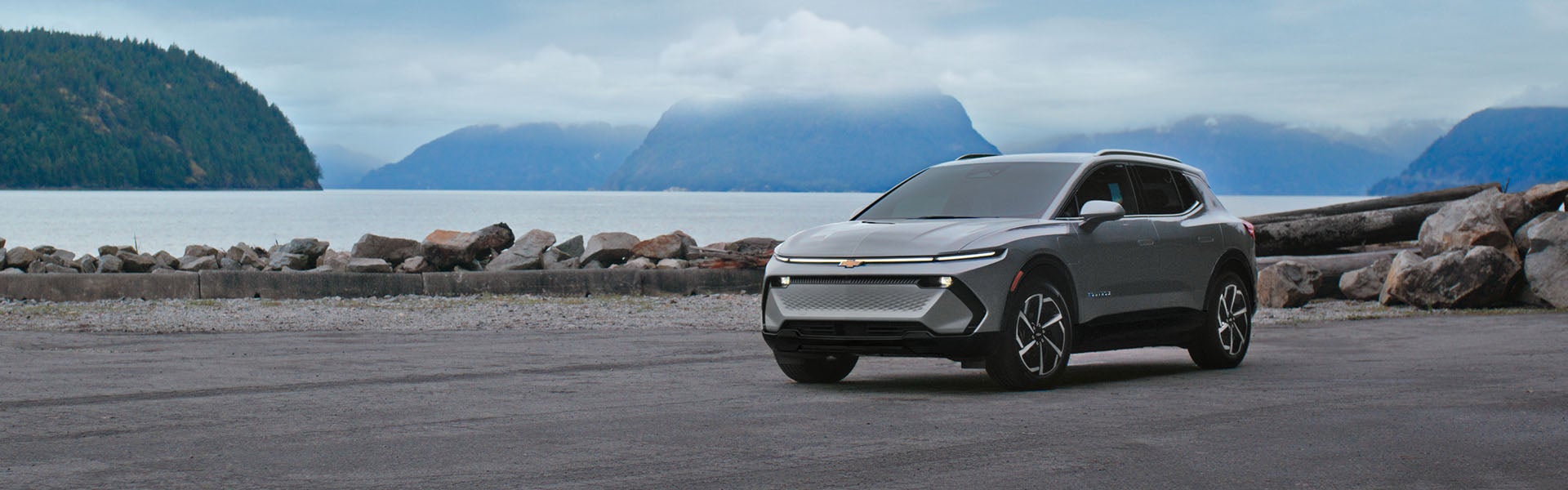
2026 Chevrolet Equinox EV exterior from the Chevrolet brand image library

Key Numbers

  • The 2026 Equinox EV has an EPA-estimated 319-mile range with front-wheel drive and 307 miles with available all-wheel drive.
  • The 2026 Blazer EV has an EPA-estimated 312-mile range with front-wheel drive.
  • Maximum cargo volume is 57.2 cubic feet in Equinox EV and 59.1 cubic feet in Blazer EV, with the rear seats folded.
  • Both models seat up to five; maximum cargo figures do not describe luggage space with all seats occupied.

Give the electric vehicle a clear family job

A two-car household can choose an EV around its everyday work instead of expecting one vehicle to cover every possible trip. The electric SUV might handle commuting and school transportation while the other vehicle remains the choice for a large passenger group or a particular trailer. That is a household plan, not a requirement to keep a gasoline vehicle.

The Equinox EV is an effective place to begin when five seats meet the daily need and the buyer wants the electric vehicle for regular use. The Blazer EV becomes more compelling when its specific cabin or available performance is part of the reason to buy. Paying for that preference can be reasonable; buying it solely because the model name sounds larger is a weaker reason.

Compare range on the same terms

Front-wheel-drive range ratings give the Equinox EV a seven-mile advantage over the Blazer EV: 319 versus 312 miles. Those are EPA estimates for the stated versions, rather than a promise about every trim or every drive. The Equinox EV’s available all-wheel-drive rating is different again at 307 miles.

For a family making repeat trips between home, work and school, a seven-mile difference is less important than whether charging fits the routine. Weather, speed and climate-control use can change the distance available from a charge. A comparison between a front-wheel-drive base vehicle and a performance-focused model with different wheels or equipment would answer a different question. The manufacturer’s Equinox EV page identifies the drivetrain attached to each range claim.

Do not mistake folded-seat space for family luggage space

The Blazer EV’s maximum cargo advantage is 1.9 cubic feet: 59.1 versus 57.2. Both maximums depend on folding the rear seats, which removes the seating positions a family may need for children. Those figures help describe hauling flexibility, but they do not establish how a stroller and a week’s bags fit behind an occupied second row.

Cargo shape also matters. A tall stroller, a rigid cooler and soft duffel bags use a space differently even when their combined volume is similar. Neither model offers a third row, so a sixth passenger changes the vehicle requirement rather than the trim choice. A family with that recurring need should not buy either SUV on the assumption that a larger cargo figure creates another seat.

Home charging can matter more than the badge

A dependable charging location is a stronger ownership advantage than a small difference in rated range. Chevrolet describes Level 1 and Level 2 home charging options; Level 2 charging uses a 240-volt supply and suitable equipment. The installation cost depends on the property and electrical work, so it is not included in a guessed vehicle savings figure.

For a Schuylkill Haven household parking at home overnight, an installed charging setup can place charging within hours when the vehicle would already be parked. A renter relying on public charging has a different routine. Chevrolet’s charging overview covers the available approaches. Neither a 312-mile nor a 319-mile rating replaces access to a charger the household can actually use.

Keep the winter plan separate from the range headline

Cold-weather use belongs in the decision even when another family vehicle is available. Cabin heat consumes energy, and the amount available for driving can differ from the published estimate. Chevrolet describes preconditioning while plugged in as a way to heat or cool the cabin using power from the outlet rather than relying only on the battery.

That is useful preparation, not a guarantee of a particular winter range. The daily vehicle also needs a practical charging routine on the days the other car is in use. A two-car family gains flexibility, but it should not need to exchange vehicles every time a routine trip becomes longer. The client’s Equinox EV commuting article provides related local model coverage.

Where the Blazer EV earns a second look

The Blazer EV offers a different design and a performance-focused SS model. Those are legitimate purchase reasons for a buyer who values them. They are separate from five-seat practicality, and the performance version’s rating should not be confused with the front-wheel-drive range figure used in this comparison.

The 2026 Blazer EV page separates LT, RS and SS equipment. Outten’s Blazer EV range and price article is the next model-specific reference. For the everyday electric role, begin with Equinox EV. Choose Blazer EV when its particular equipment and feel justify the difference for your household, rather than because its small maximum-cargo advantage appears to solve a passenger-space need it does not address.

Family EV purchase questions

Can either Chevrolet EV carry six people?

No. The 2026 Equinox EV and Blazer EV seat up to five. A household regularly carrying six people needs a different seating layout.

Does Blazer EV have much more maximum cargo room?

Its published maximum is 59.1 cubic feet versus 57.2 for Equinox EV, a 1.9-cubic-foot difference. Both figures require folding the rear seats.

Is a home charger included in the vehicle price?

A vehicle price should not be assumed to cover a home electrical installation. Equipment, property requirements and installation work need their own actual pricing.

Does the Equinox EV need gasoline as well as charging?

No. Equinox EV is a battery-electric vehicle. It is different from the gasoline Equinox and does not use gasoline for propulsion.

Does available all-wheel drive keep the 319-mile Equinox EV rating?

No. Chevrolet lists 319 miles for front-wheel drive and 307 miles for available all-wheel drive on the 2026 Equinox EV. Both are EPA estimates.

Choose your family’s Chevrolet EV

Explore new Chevrolet inventory or contact Outten Chevrolet of Hamburg about an electric SUV for your Reading-area household.

Shop Chevrolet EV inventoryContact Outten Chevrolet

Outten Chevrolet of Hamburg · 1080 S Fourth St, Hamburg, PA 19526 · (610) 674-0598
Posted in:

Related Posts

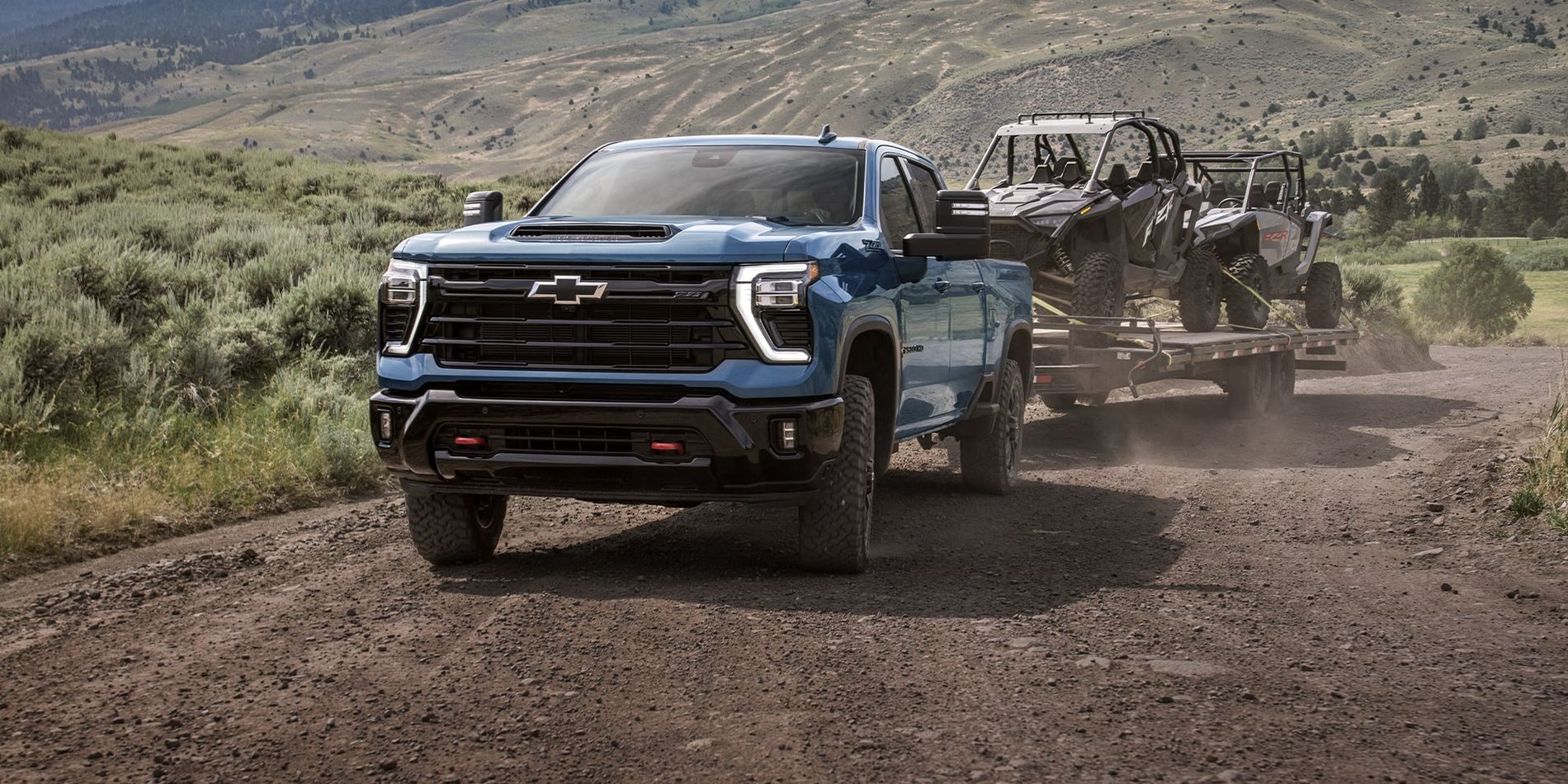
2027 Chevrolet Silverado 2500 HD towing a utility vehicle on a dusty trail

2027 Silverado 2500 HD Trailering Features for Reading Drivers

Available equipment shown. For a Reading driver who tows an equipment trailer every week, the most useful Silverado 2500 HD options are the ones that help with the whole trip: coupling the trailer, moving through traffic, descending a grade and backing into a narrow space. The available camera system, trailer-side alerts and integrated powertrain controls each support a different part of that work. The 2027 truck pairs those features with a 412-hp gasoline V8 or an available 555-hp Duramax diesel. A loaded trailer headed along Route 61 toward Schuylkill Haven puts different demands on the truck from an unloaded errand in Greater Reading. For regular trailer owners, the towing equipment deserves attention alongside cab comfort and trim level. Key Numbers Available camera system: up to 14 views. Duramax output: 555 hp and 1,230 lb-ft from the available 8.3L V8. Both engines: Allison 10-speed automatic. Tow/Haul: coordinated steering, braking and powertrain control. Trailer-side alerts and tire monitoring require the appropriate equipment. Cameras Earn Their Place Before the Trailer Moves A trailer can block areas that the truck’s mirrors would otherwise show. Available camera views provide different perspectives for hitching and maneuvering, with up to 14 views across the equipped system. Some views need a compatible trailer, an accessory camera and installation. That makes the actual camera package an important part of a frequent-towing truck. A Reading owner using an equipment trailer throughout the week has repeated hitching and parking work, even when the destination is close. A family taking a boat toward Blue Marsh Lake also has low-speed maneuvering at the beginning and end of the trip. The camera equipment supports those moments without changing the truck’s certified tow rating. Loaded Driving Engages Coordinated Controls Tow/Haul Mode coordinates engine mapping, transmission behavior, steering assistance and electronic brake boost. With diesel power, exhaust braking and grade-braking strategies join that coordination. The truck can respond to a loaded combination as a system, rather than leaving the driver with unrelated powertrain and chassis settings. Electric power steering is part of the 2027 HD chassis, and Tow/Haul increases steering damping for trailer control. eBoost braking supports brake response under load. For Schuylkill Haven and Pottsville travel along Route 61, those features address steering feel, changing speed and downhill sections while the driver stays responsible for the combination. Available equipment shown. The Duramax Adds a Downhill Tool The available 8.3L Duramax produces 1,230 lb-ft and uses an Allison 10-speed automatic. Its exhaust brake works with the transmission and grade-braking strategies to help manage speed on descents. On ridge-and-valley roads, that gives a regular trailer owner another tool for controlling the loaded truck and trailer. The engine’s hardware includes a compacted graphite iron block, forged rotating components, a variable-geometry turbocharger and dual-stage charge cooling. The 2027 Silverado 2500 HD engine specifications set out its output and chassis figures. The model overview connects that powertrain with the truck’s available body and cabin choices. Trailer Alerts Support the Highway Portion With Trailer Side Blind Zone Alert equipped, detected vehicles beside a compatible trailer trigger a visual alert. Available trailer tire pressure and temperature monitoring adds information about equipped trailer tires. The in-vehicle trailering app supports trailer setup and monitoring. Each feature requires the appropriate truck and trailer equipment. A truck moving from Reading onto US Route 222 or I-78 encounters traffic after the trailer is already coupled. Side alerts add information about the longer combination, while tire monitoring concerns the trailer’s running gear. Visibility, weather and feature limitations still matter, and the driver continues to watch mirrors, road space and traffic. Cab and Hitch Choices Still Set the Truck’s Job A Crew Cab offers passenger room for up to six with the appropriate seat arrangement. Its 6-foot-9-inch bed uses a 159-inch wheelbase, while the 8-foot bed uses 172 inches. Those choices affect space for people and cargo, including a work crew from Lebanon or a household carrying gear from Bally. For a qualifying diesel Crew Cab 4WD short bed, maximum gooseneck towing is 22,400 lbs with the Max Trailering Package and gooseneck hitch. Maximum conventional towing is 20,000 lbs with the required package. The complete towing reference separates cab, bed, drivetrain and hitch requirements, keeping those limits attached to the truck that earns them. Available equipment shown. Where to Put the Equipment Budget For frequent towing, prioritize the correct body, engine and hitch equipment, then the camera and monitoring features used on repeated trips. WT starts with a standard integrated trailer brake controller and work-focused cabin. The six-trim equipment reference gives the work, off-road and premium directions without making a luxury badge a requirement for towing. Blue Marsh Lake recreation via PA Route 183 and equipment hauling on Route 61 share hitching and load-control needs, even when the trailers are different. Regular trailer owners get value from equipment that supports those repeated tasks. Occasional unloaded driving gives cabin convenience a larger role in the purchase, alongside the truck’s actual work requirements. Regular Trailer Work Brings Service Needs Chevrolet lists frequent trailering, heavy loads, mountain driving and extended idling as demanding use. The Engine Oil Life System responds to operating conditions, and oil and filter replacement is required at least annually under Chevrolet guidance. Tires, brakes, fluid systems and the driveline also need their scheduled inspections and service. Silverado HD service at Outten Chevrolet covers that ownership side. The local truck FAQs address purchases and everyday equipment questions, while the Buyers Guide connects all the research topics. Outten Chevrolet of Hamburg offers financing applications and trade-in valuation for Reading-area buyers. Trailering Feature FAQs Which trailering features help during hitching and reversing? The equipped camera package supplies perspectives for lining up a hitch and maneuvering a compatible trailer at low speed. Its available fourteen-view range includes functions that need an accessory camera and installation. Mirrors and direct driver observation remain necessary wherever a view has limits or an obstruction. What changes when Tow/Haul Mode is selected? Selecting Tow/Haul engages responses suited to the attached load. Engine mapping and shift behavior work with the chassis electronics, while added damping changes steering assistance for trailer control. On a diesel truck, descent assistance also draws on the exhaust brake. The driver still controls speed and road position. Why does exhaust braking matter on Route 61 grades? The diesel’s retarding assistance reduces the work needed from the service brakes while descending a grade. That is useful for a loaded combination traveling through the terrain between Reading and Schuylkill Haven. It supplements normal braking; it does not remove the need for sound tires, maintained brakes or driver attention. Do trailer cameras increase the towing capacity? No. A visibility feature does not change the weight limits assigned to the truck’s body, drivetrain and hitch configuration. A trailer owner must satisfy both towing and carrying limits, including the coupling load carried by the pickup. Camera views help with the maneuvering and monitoring work inside those limits. How can Reading buyers shop these features at Outten Chevrolet? Outten Chevrolet of Hamburg lists Silverado 2500 HD trucks with their individual equipment and selling prices. Reading and Schuylkill Haven buyers can schedule a test drive or call (610) 674-0598. The dealership is at 1080 S Fourth St, with online financing and trade-in tools available alongside inventory. Shop Silverado 2500 HD inventory or schedule a truck test drive. By Outten Chevrolet of Hamburg

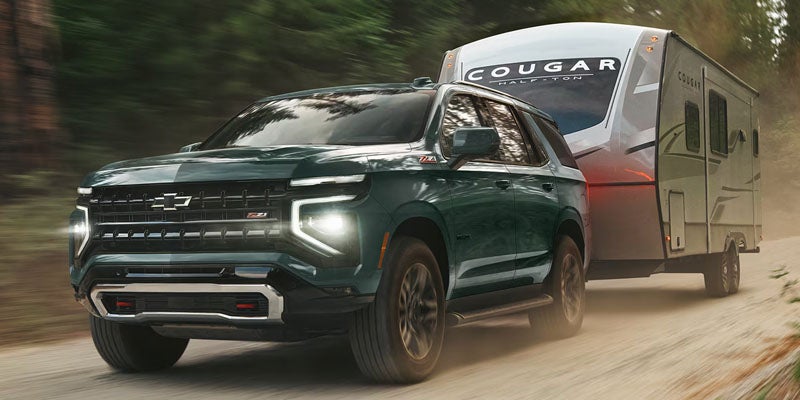
2026 Chevrolet Tahoe towing a camper on a wooded road

2027 Tahoe 5.3L V8 or Duramax for Reading Drivers?

2027 Tahoe engines Reading and Schuylkill Haven buyers have a regular-gas V8 or a 495-lb-ft Duramax diesel. View Tahoe Inventory Get Pre-Approved Value Your Trade 2026 model shown. Key Numbers 5.3L V8: 355 hp, 383 lb-ft and regular 87-octane gasoline. 3.0L Duramax: 305 hp and 495 lb-ft; available from LT upward. EPA 2WD combined: 17 mpg V8 and 24 mpg diesel. EPA 4WD combined: 17 mpg V8 and 22 mpg diesel. 8,400-lb maximum towing: 5.3L V8, 2WD and Max Trailering Package. The 5.3L V8 is a strong fit for a Reading family that wants regular-gas power and the Tahoe’s largest advertised tow rating. The Duramax is the choice for longer-mileage households wanting more torque and higher EPA efficiency. It makes 112 lb-ft more torque than the 5.3L, while the gasoline V8 makes 50 more horsepower. For Schuylkill Haven and Lebanon buyers, the purchase also changes service requirements and trim choices. The 2027 Tahoe trim lineup starts the diesel option at LT. Both engines retain a three-row family SUV and a 10-speed automatic; the fuel and maintenance differences stay with the vehicle after the showroom visit. The V8 Gives Reading Families Regular-Gas Convenience The 5.3L EcoTec3 V8 supplies 355 horsepower and 383 lb-ft and is standard on LS, LT, RST, Z71 and Premier. It uses regular 87-octane gasoline. A family combining local errands with weekend drives has that straightforward fuel requirement along with the Tahoe’s passenger and cargo flexibility. LS also offers the front bench for nine seats. In 2WD, EPA estimates are 15 city, 20 highway and 17 combined mpg. Four-wheel drive changes the highway estimate to 19, with city and combined remaining 15 and 17. A driver selecting 4WD therefore has a separate drivetrain choice without changing the 5.3L’s standard power output or regular-gas requirement. The Duramax Adds Torque for Longer Trips The 3.0L turbo-diesel inline-six makes 305 horsepower and 495 lb-ft. It is available on LT, RST, Z71, Premier and High Country. EPA estimates reach 24 combined mpg in 2WD and 22 in 4WD. For a Pottsville household covering frequent longer trips, that efficiency accompanies the diesel’s higher torque rather than requiring a smaller SUV. The choice also retains available Super Cruise on eligible LT, RST, Premier and High Country models. With the required equipment, compatible road and eligible plan, hands-free assistance is available with diesel power. The driver remains attentive. The Tahoe engine and EPA specifications separate each drivetrain’s rating from the headline range figure. EPA Mileage and Fuel Type Shape Ownership Engine and fuel choice 5.3L V8 Duramax 2WD combined EPA rating 17 mpg 24 mpg Fuel type Regular gasoline Diesel 4WD combined EPA rating 17 mpg 22 mpg Engine oil specification dexos1 0W-20 dexosD 0W-20 The Duramax has a seven-mpg advantage in the 2WD combined EPA ratings and a five-mpg advantage in 4WD. Fuel costs also depend on the pump price of each fuel and actual mileage. Its higher efficiency accompanies a separate engine choice, with diesel filtration and oil requirements as part of ownership. Longer drives around Reading and toward PA Route 183 give the diesel’s highway rating more relevance than a routine made entirely of short trips. Regular trips of four miles or less also appear in Chevrolet’s severe-service description. The commute pattern therefore matters to both fuel use and maintenance, rather than only to the number on the EPA label. Maximum Towing Is a Specific V8 Setup The Tahoe’s 8,400-lb maximum belongs to the 5.3L V8 with 2WD and the Max Trailering Package. It is not assigned automatically to the diesel because the diesel has more torque. A properly equipped gas Tahoe is therefore a direct choice for a household seeking that particular maximum rating, while the Duramax offers its own combination of torque and fuel efficiency. People, luggage and trailer tongue weight all use carrying capacity. A Bally family filling the seating rows and taking a trailer has a different load from a lightly occupied tow vehicle. The actual Tahoe’s load and trailering labels govern that combination. Horsepower, torque and seating capacity describe useful features, but none replaces the vehicle’s equipment-specific towing information. Gas and Diesel Have Different Service Items The 5.3L uses full synthetic dexos1 SAE 0W-20; the Duramax uses dexosD SAE 0W-20. Both list 8.0 quarts with a filter and use the Oil Life System with an annual service requirement. The diesel also has a fuel filter due at 30,000 miles or two years, or the filter message, whichever comes first. Long-term schedules differ as well. Gasoline spark plugs are due at 97,500 miles. The diesel timing/oil pump belt is due at 200,000 miles or 15 years. Consistent towing calls for the severe-service schedule, including 45,000-mile transmission fluid and filter service. The Tahoe service schedule gives these engine-specific items together. Which Engine Fits Your Reading Household? The 5.3L fits the buyer wanting the LS seat option, regular gasoline and access to the maximum-rated 2WD tow setup. LT with the 5.3L adds heated front buckets and a power liftgate. The Duramax fits the higher-mileage household seeking 495 lb-ft and the highest combined EPA figure, including a family making longer drives around PA Route 143. Outten Chevrolet of Hamburg has Tahoe inventory and test-drive requests for Reading and Schuylkill Haven buyers. Financing pre-approval and a trade-in value are available through the store, and (610) 674-0598 reaches sales and service. The vehicle’s engine, seat layout and trailering equipment belong in the same purchase choice. V8 and Duramax Questions Is more diesel torque the same as a higher maximum tow rating? No. The Duramax makes 495 lb-ft, while Tahoe’s advertised 8,400-lb maximum belongs to a 5.3L 2WD vehicle with Max Trailering. The actual tow rating follows the equipped vehicle and its loading. Torque is one engine measurement rather than the complete trailer-capacity calculation. Does the diesel come on the base LS? The Duramax option starts with LT and is also available on RST, Z71, Premier and High Country. LS uses the 5.3L V8 and offers the optional front bench for nine seats. Trim, engine and seating choices therefore need their own equipment description. What is the diesel’s advantage in the 4WD EPA figures? Duramax 4WD has a 22 combined mpg estimate compared with 17 for the 5.3L 4WD. Its city/highway estimates are 20/24, while the V8 has 15/19. Actual fuel use changes with traffic, weather and loads, and gasoline and diesel have different prices. Does diesel maintenance use gasoline-engine oil? The diesel uses dexosD 0W-20, while the gas V8 specifies full synthetic dexos1 0W-20. The viscosity is the same but the approval differs. Duramax fuel-filter service is an additional ownership item, separate from the oil changes and tire rotations shared across the Tahoe schedule. Can the V8 still be the choice for a towing family? Yes. The 5.3L 2WD with Max Trailering provides Tahoe’s 8,400-lb maximum available rating and uses regular gasoline. An individual family’s passengers, cargo and hitch load remain part of the loading calculation. The diesel supplies higher torque and EPA mileage as another powertrain choice. Explore the Tahoe Start Here: Tahoe Guide Start Here Tahoe Overview Engines, trims and pricing Trims Compared The whole lineup, side by side Specs and Dimensions Dimensions, weights and capacities Maintenance and Reliability Service intervals and warranty Tahoe FAQs Straight answers, one page Tahoe vs GMC How it stacks up Next Step See the Tahoe in person Tell us how you will use it and we will point you at the right configuration on the lot. Browse Tahoe Inventory Get Pre-Approved Value Your Trade

2025 Chevrolet Silverado 1500 parked beside a farm building

2027 Silverado Z71 or Trail Boss for Reading Drivers?

By Outten Chevrolet of Hamburg Key Numbers Silverado 4WD: Z71 Off-Road package included Custom Trail Boss and Trail Boss: two-inch factory lift and 34-inch mud-terrain tires Trail Boss: front buckets, Multi-Flex console and Bose eight-speaker audio Starting MSRP: $47,900 Silverado; $54,400 Custom Trail Boss; $61,200 Trail Boss For a Reading driver who wants heated comfort and Z71 equipment in the same pickup, Silverado 4WD is the direct fit. Trail Boss adds a factory lift and larger mud-terrain tires, while Custom Trail Boss supplies that lifted chassis at a lower starting price. The standard Z71 equipment on Silverado 4WD includes skid plates, hill descent control and off-road suspension. Commuting through Reading, carrying picnic gear to Bally Community Park and using a work site with an uneven entrance put different demands on a pickup. The 2027 Silverado lineup has separate answers for each. Outten Chevrolet of Hamburg has the trim choices alongside the 2026 Silverado 1500 spoke, with the model years kept separate. Factory lift: Trail Boss equipment Factory lift: Trail Boss equipment Custom Trail Boss 2 in Trail Boss 2 in Silverado 4WD Puts Z71 beside Heated Comfort The Silverado trim, formerly LT, starts at $47,900 MSRP before destination and options. Heated front seats and a heated steering wheel are included, as are four-door keyless entry, ambient lighting and a rear power-sliding window with a defogger. On four-wheel-drive versions, the Z71 package adds skid plates, hill descent control and off-road suspension. That combination suits a truck that covers the daily Schuylkill Haven-to-Reading corridor and still has work to do beyond the pavement. The heated equipment is cabin comfort; the skid plates and suspension are chassis equipment. They come together on Silverado 4WD without making it a Trail Boss trim. The Silverado cabin also offers the panoramic sunroof and Super Cruise with trailering. Those options add different kinds of utility to a truck that already has the standard 16.3-inch center touchscreen and 12.2-inch driver display. Custom Trail Boss Buys the Lifted Chassis Custom Trail Boss starts at $54,400 before destination and options. Its two-inch factory lift, 34-inch mud-terrain tires and 18-inch Dark Android wheels create the lifted stance. Its two-speed transfer case supplies a low range for slower four-wheel-drive work, alongside the suspension and tire equipment. For a Berks County owner who wants the factory lift as the central part of the truck purchase, these are the defining features. The price buys an equipment group with a different suspension and tire setup. A lifted truck's final trailer and payload ratings still follow its engine, cab, bed and factory equipment. Trail Boss Adds a More Equipped Cabin Trail Boss starts at $61,200 before destination and options, a $6,800 step from Custom Trail Boss. Both have a two-inch lift and 34-inch mud-terrain tires. Trail Boss adds front bucket seats with the Multi-Flex center console, Bose eight-speaker audio, a flat-bottom steering wheel and its dedicated off-road hood. For a pickup that spends the workday carrying people and the weekend carrying gear, the front buckets and reconfigurable console are a meaningful cabin change. The audio and steering-wheel equipment also accompany the lifted chassis during every highway trip, rather than being features used only on rough ground. A panoramic sunroof and Super Cruise are available on Trail Boss. Its comfort choices give Greater Reading buyers another route through the lineup: Silverado 4WD emphasizes heated equipment with Z71, while Trail Boss pairs its upgraded cabin with the factory lift. Tires Change the Highway Fuel-Economy Picture The EPA lists the 5.7L V8 Silverado 4WD at 15 city, 18 highway and 16 combined mpg. Its separate mud-terrain-tire 4WD entry is rated 14 city, 16 highway and 14 combined mpg. These are EPA classifications for named configurations, not a promise about every truck with a particular trim badge. The difference matters for a Pottsville owner who commutes daily or a Lebanon buyer who spends more time on the highway than on rough surfaces. Mud-terrain tires are part of the lifted truck's equipment choice. Their fuel-economy classification belongs beside the lift and cabin features in the purchase decision. The 2027 specification tables separate the EPA rows by engine, drive system and tire type. Actual mileage also changes with weather, load, speed and trailer use. Trailer Ratings Follow the Whole Truck The properly equipped 5.7L V8 Double Cab Standard Bed 2WD with the Max Trailering Package reaches the 13,700-lb headline towing maximum. That is a named two-wheel-drive configuration, rather than a rating assigned to every lifted four-wheel-drive model. The Duramax's 12,000-lb maximum uses a Crew Cab Short Bed 4WD with the Max Trailering Package. A boat-and-trailer combination includes the trailer, boat, fuel and equipment, while its tongue load also uses the truck's carrying capacity. The trailering spoke keeps those requirements attached to the ratings. Frequent trailer use also enters the severe-service schedule. The 2027 manual calls for automatic transmission fluid and filter work at 45,000 miles under severe service, and four-wheel-drive transfer-case fluid at 50,000 miles. The service schedule includes these intervals alongside engine-specific oil and filter work. Three Factory Equipment Choices near Reading Truck choice Starting MSRP Defining equipment Silverado $47,900 Heated front seats and steering wheel; Z71 standard on 4WD Custom Trail Boss $54,400 Two-inch lift, 34-inch mud-terrain tires, two-speed transfer case Trail Boss $61,200 Lifted chassis plus front buckets, Multi-Flex console and Bose audio Silverado 4WD fits the buyer who wants its heated cabin and included Z71 package. Custom Trail Boss is the factory-lift choice with the lower starting MSRP, and Trail Boss combines the lift with its more equipped cabin. The showroom is at 1080 South Fourth Street. Outten Chevrolet has Silverado inventory, pre-approval and trade valuation for Reading and Schuylkill Haven shoppers. MSRP excludes destination freight charge, tax, title, license, dealer fees, and optional equipment. Dealer sets final price. Z71 and Trail Boss Questions Is Z71 the same trim as Trail Boss? Z71 is an equipment package included on Silverado 4WD. Trail Boss is a separate trim with a two-inch lift, 34-inch mud-terrain tires and front bucket seats. Custom Trail Boss also has the lift and tire size, with its own cabin equipment and a lower factory starting MSRP. Do both Trail Boss models have the same tire diameter? Custom Trail Boss and Trail Boss include 34-inch mud-terrain tires on 18-inch wheels. Trail Boss adds front buckets, the Multi-Flex console, Bose audio and an off-road hood. Their shared tire diameter is therefore one part of the equipment package rather than the distinction between the two trims. Can the Silverado trim have the panoramic roof? Yes. The panoramic sunroof is available on Silverado, Trail Boss and ZR2, and standard on High Country. Silverado also includes heated front seats and a heated steering wheel. On its four-wheel-drive models, Z71 off-road suspension, skid plates and hill descent control are included. Does a factory lift determine the trailer rating? No. Chevrolet's trailer ratings name the engine, cab, bed, drive system and required package. The 13,700-lb maximum uses the properly equipped 5.7L V8 Double Cab Standard Bed 2WD with Max Trailering Package. A lifted four-wheel-drive truck uses the rating for its own equipment and configuration. Where can I find the earlier Silverado model year? The 2026 Silverado 1500 is linked as its own spoke on every page of this cluster. Its engine and trim information stays with that model year. The 2027 pages use the seven-trim lineup and four engines, including the 5.7L and 6.6L gasoline V8 choices. 2026 Silverado 1500 Earlier model-year equipment and specifications